Project detail

Project detail

Project detail

Candidate Matching

Candidate Matching

Candidate Matching

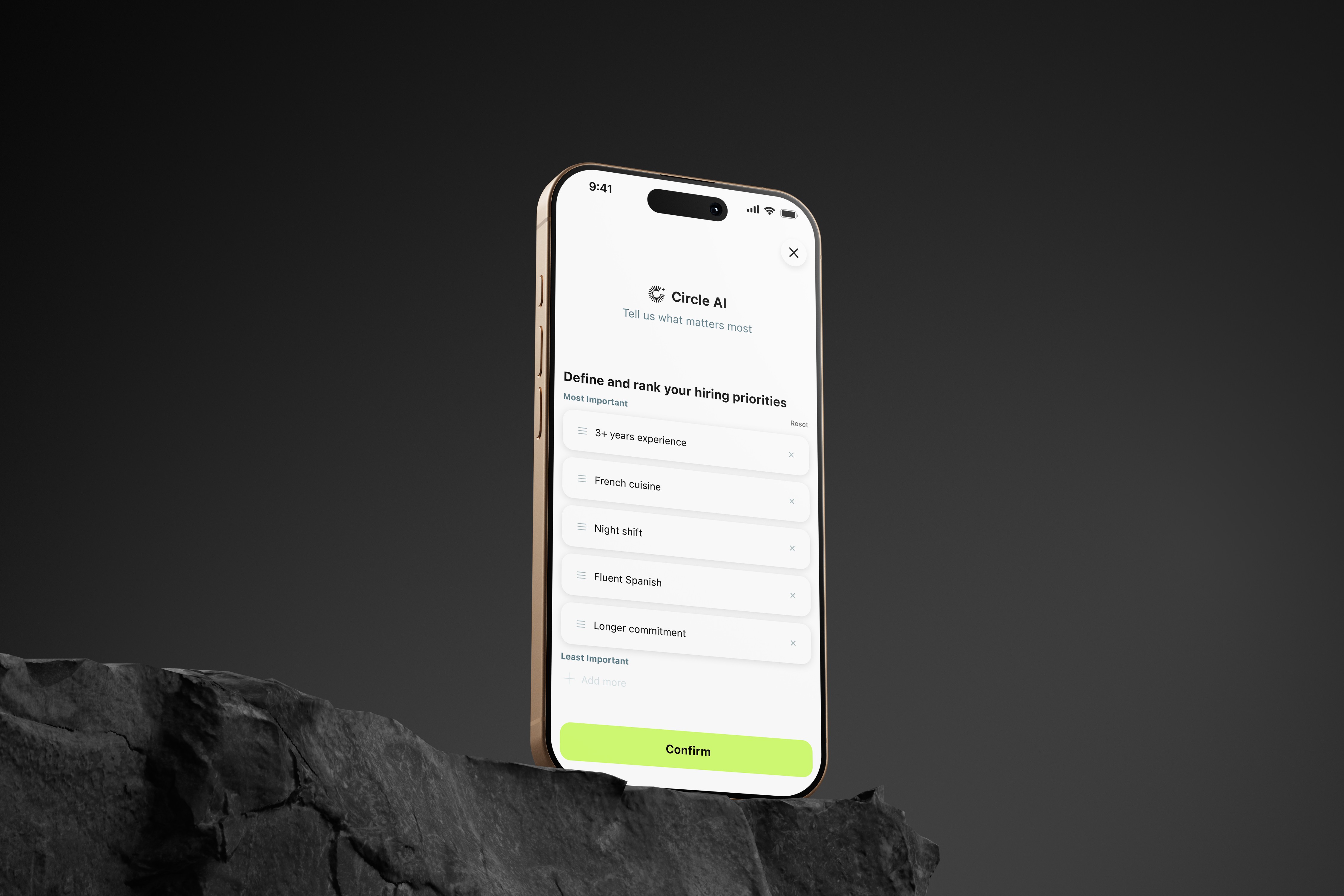
Candidate Matching reimagines how recruiters find the right people — without turning AI into a black box.

We designed a transparent, controllable matching system that helps recruiters trust recommendations, understand why someone is a fit, and adapt results to real hiring needs.
The result: faster shortlists, better hires, and fewer missed candidates.
Problem

Problem

Frontline recruiters face three compounding challenges:

Frontline recruiters face three compounding challenges:

Problem

Reality

Too many applicants

Too many applicants

High-volume roles receive 100+ applicants per post

High-volume roles receive 100+ applicants per post

Low quality matches

Low quality matches

Resume keywords ≠ real job fit

Resume keywords ≠ real job fit

No explainability

No explainability

AI scores feel arbitrary and untrustworthy

AI scores feel arbitrary and untrustworthy

Key Insight

Recruiters don’t want “the best match.”
They want to understand why someone is a match — and change the rules when needed.

Recruiters don’t want “the best match.”
They want to understand why someone is a match — and change the rules when needed.

Recruiters don’t want “the best match.”
They want to understand why someone is a match — and change the rules when needed.

Process

Process

Process

Research, Competitor Analysis & Behavioral Insights

Research, Competitor Analysis & Behavioral Insights

How Candidate Discovery Works Today (and Why It Breaks)

How Candidate Discovery Works Today (and Why It Breaks)

Despite years of ATS innovation, most recruiting workflows are still built on static filters and keyword logic. Recruiters are expected to find the right people by searching resumes, not by understanding candidates.

Despite years of ATS innovation, most recruiting workflows are still built on static filters and keyword logic. Recruiters are expected to find the right people by searching resumes, not by understanding candidates.

This creates a system where:

  • Good candidates are missed

  • Bias is unintentionally reinforced

  • Speed increases, but quality drops

What looks like “AI matching” today is often just faster resume screening.

This creates a system where:

  • Good candidates are missed

  • Bias is unintentionally reinforced

  • Speed increases, but quality drops

What looks like “AI matching” today is often just faster resume screening.

The Current Reality of Recruiter Workflows

UX Patterns in Competitor Tools

Pattern: Keyword + boolean filters, AI “recommended” lists
Weakness: Prioritizes resume language, not role relevance

Pattern: Keyword + boolean filters, AI “recommended” lists
Weakness: Prioritizes resume language, not role relevance

Pattern: Structured filters + scoring rules
Weakness: Excludes candidates early, no explainability

Pattern: Structured filters + scoring rules
Weakness: Excludes candidates early, no explainability

Pattern: Compliance-heavy workflows
Weakness: Over-filtering leads to talent loss

Pattern: Compliance-heavy workflows
Weakness: Over-filtering leads to talent loss

Pattern: Conversational intake
Weakness: Still submits into ATS with same logic

Pattern: Conversational intake
Weakness: Still submits into ATS with same logic

Pattern: Algorithmic ranking
Weakness: No recruiter control over why someone ranks

Pattern: Algorithmic ranking
Weakness: No recruiter control over why someone ranks

Where the Industry is Moving (But Not Solving)

LinkedIn has begun experimenting with conversational candidate search, allowing recruiters to type:

“Find kitchen managers with weekend availability near Brooklyn.”

But under the hood:

  • It still ranks on profile keywords

  • It still hides the logic

  • It still locks the ranking order

The interface evolved.
The model did not.

What We Wanted to Change
Move from resume matching to decision support.
From black-box ranking to visible reasoning.
From fixed filters to adaptable logic.

Move from resume matching to decision support.
From black-box ranking to visible reasoning.
From fixed filters to adaptable logic.

Move from resume matching to decision support.
From black-box ranking to visible reasoning.
From fixed filters to adaptable logic.

User Research – Key Behavioral Patterns

User Research – Key Behavioral Patterns

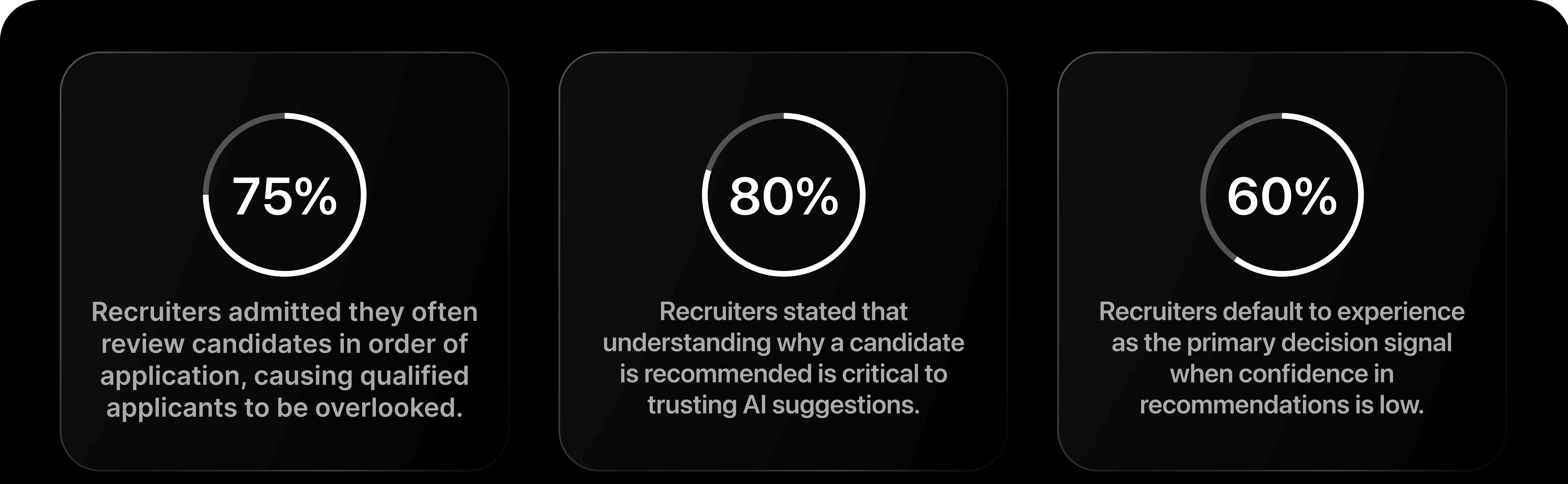
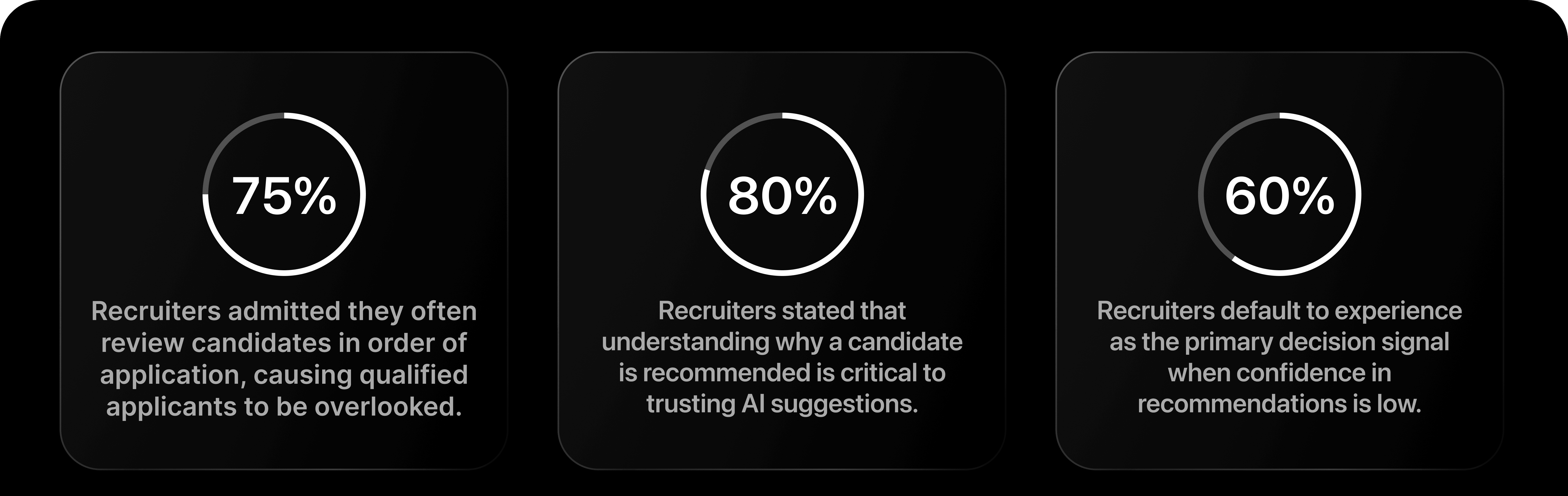
Through interviews and observation, three dominant behavior patterns emerged:

Through interviews and observation, three dominant behavior patterns emerged:

Through interviews and observation, three dominant behavior patterns emerged:

Signal overload
Recruiters review large volumes of candidates under time pressure. As a result, evaluation becomes shallow and order-biased rather than merit-based.

Signal overload
Recruiters review large volumes of candidates under time pressure. As a result, evaluation becomes shallow and order-biased rather than merit-based.

Trust hesitation
Recruiters are open to AI assistance, but trust depends on understanding how recommendations are made.

Trust hesitation
Recruiters are open to AI assistance, but trust depends on understanding how recommendations are made.

Trust hesitation
Recruiters are open to AI assistance, but trust depends on understanding how recommendations are made.

Fear of mistakes
Hiring decisions feel high-risk. When automation is opaque, recruiters default to familiar signals to reduce perceived risk.

Fear of mistakes
Hiring decisions feel high-risk. When automation is opaque, recruiters default to familiar signals to reduce perceived risk.

Fear of mistakes
Hiring decisions feel high-risk. When automation is opaque, recruiters default to familiar signals to reduce perceived risk.

Persona Journeys: Real-World Hiring Friction

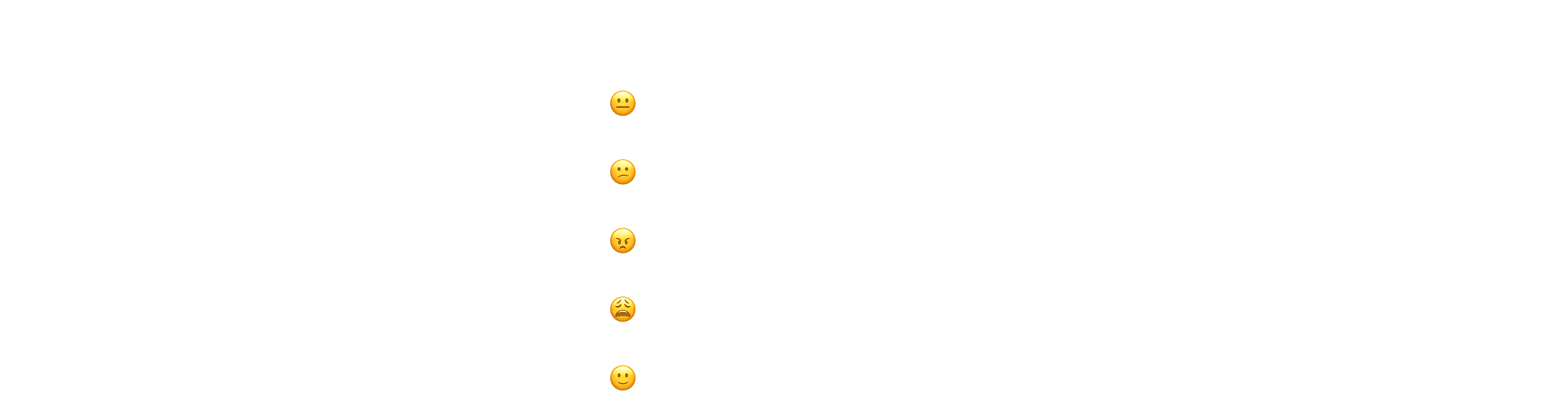
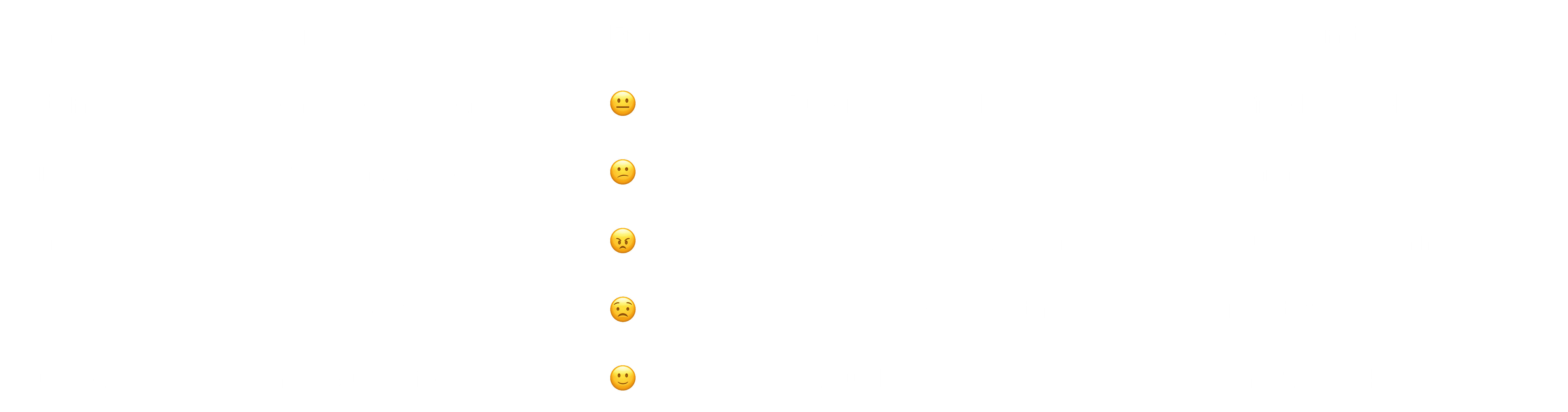
We mapped the full recruiter journey for three frontline personas to understand, what each journey shows:

  • Stages

  • Emotional curve

  • Concrete pain

  • Design opportunity

  • Where automation must stop

Sarah — High-Volume Recruiter (32)

Location: Chicago
Tech: LinkedIn Recruiter, Greenhouse, Indeed
Goal: Fill 30+ roles quickly
Where it Failed

  • Ranked “wrong” candidates

  • No explanation of fit

Design Pivot

  • Explainable AI insights

  • Adjustable ranking controls

Where it Failed

  • Ranked “wrong” candidates

  • No explanation of fit

Design Pivot

  • Explainable AI insights

  • Adjustable ranking controls

Rosa — Neighborhood Restaurant Owner (52)

Location: Jackson Heights, NYC
Tech: WhatsApp, phone calls, paper resumes
Goal: Hire people who actually show up
Where it Failed

  • Candidates lacked documentation

  • AI couldn’t verify work authorization

Design Pivot

  • Work authorization as gated step

  • Compliance prompts with explanations

  • Human handoff for verification

Where it Failed

  • Candidates lacked documentation

  • AI couldn’t verify work authorization

Design Pivot

  • Work authorization as gated step

  • Compliance prompts with explanations

  • Human handoff for verification

Victor — Franchise Area Recruiter (41)

Location: New Jersey
Tech: Workstream, SMS, Excel
Goal: Fill 100+ hourly roles monthly
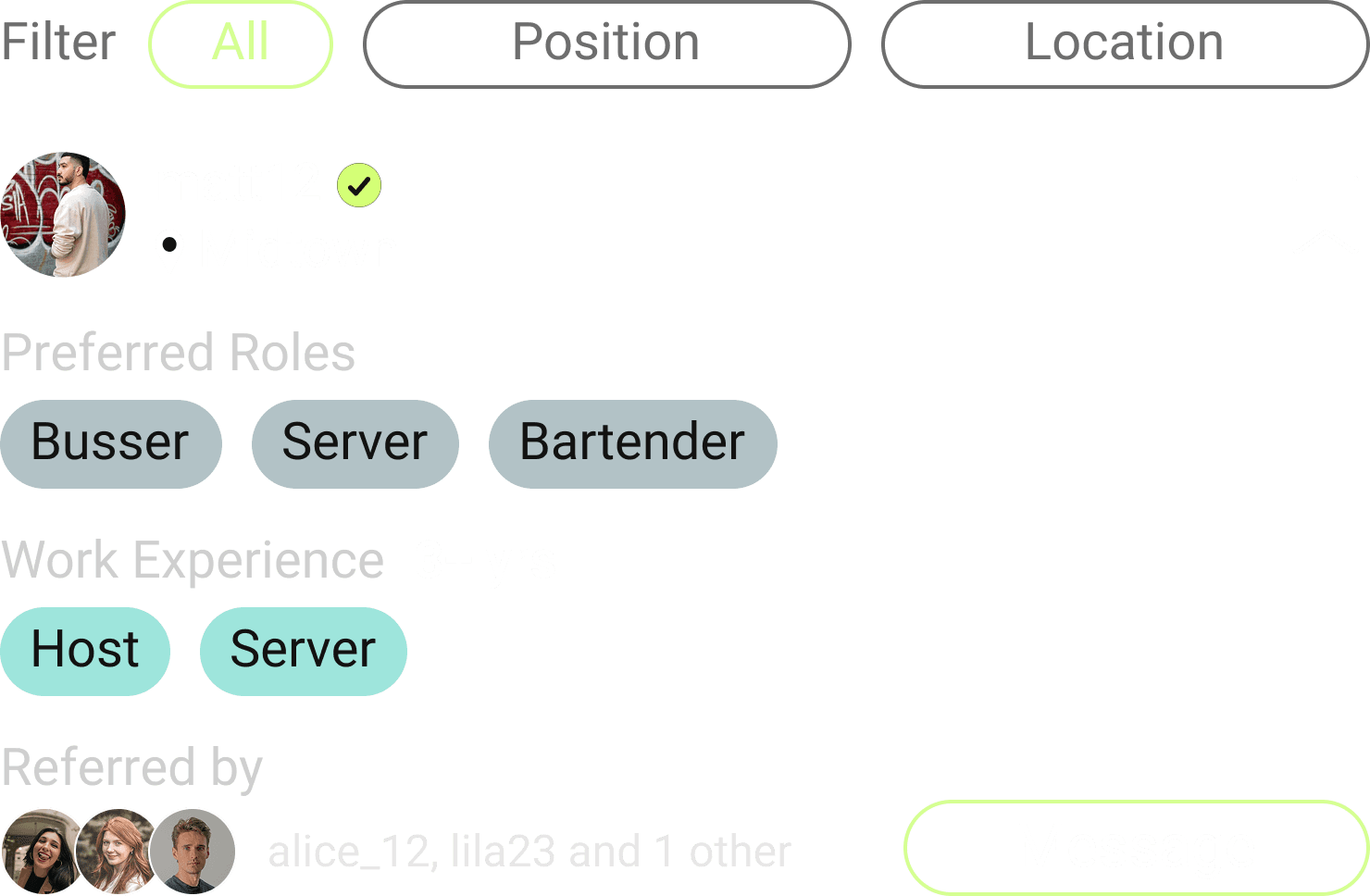
Where it Failed

  • Auto-matching ignored urgency

  • Couldn’t adapt per location

Design Pivot

  • Location-weighted ranking

  • Real-time availability filters

Where it Failed

  • Auto-matching ignored urgency

  • Couldn’t adapt per location

Design Pivot

  • Location-weighted ranking

  • Real-time availability filters

AI Matching & Interaction Model

AI Matching & Interaction Model

The matching system evaluates candidates using a combination of structured and inferred signals:

The matching system evaluates candidates using a combination of structured and inferred signals:

Early Model (V1)

System: Static vector similarity
Problem: High relevance but no explainability
Outcome: Low adoption
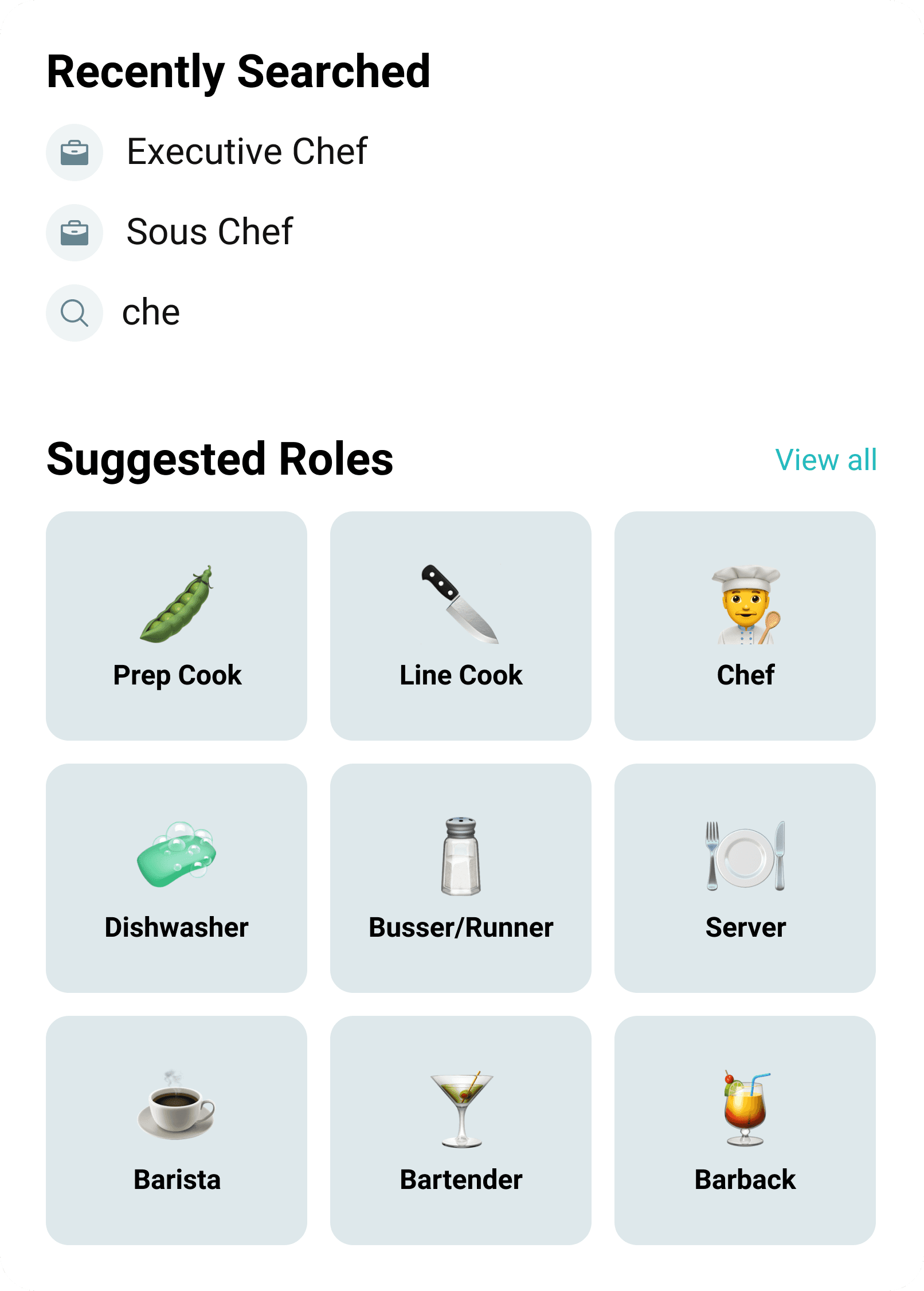
Iteration (V2)

System: Score + tags
Problem: Still felt like a black box
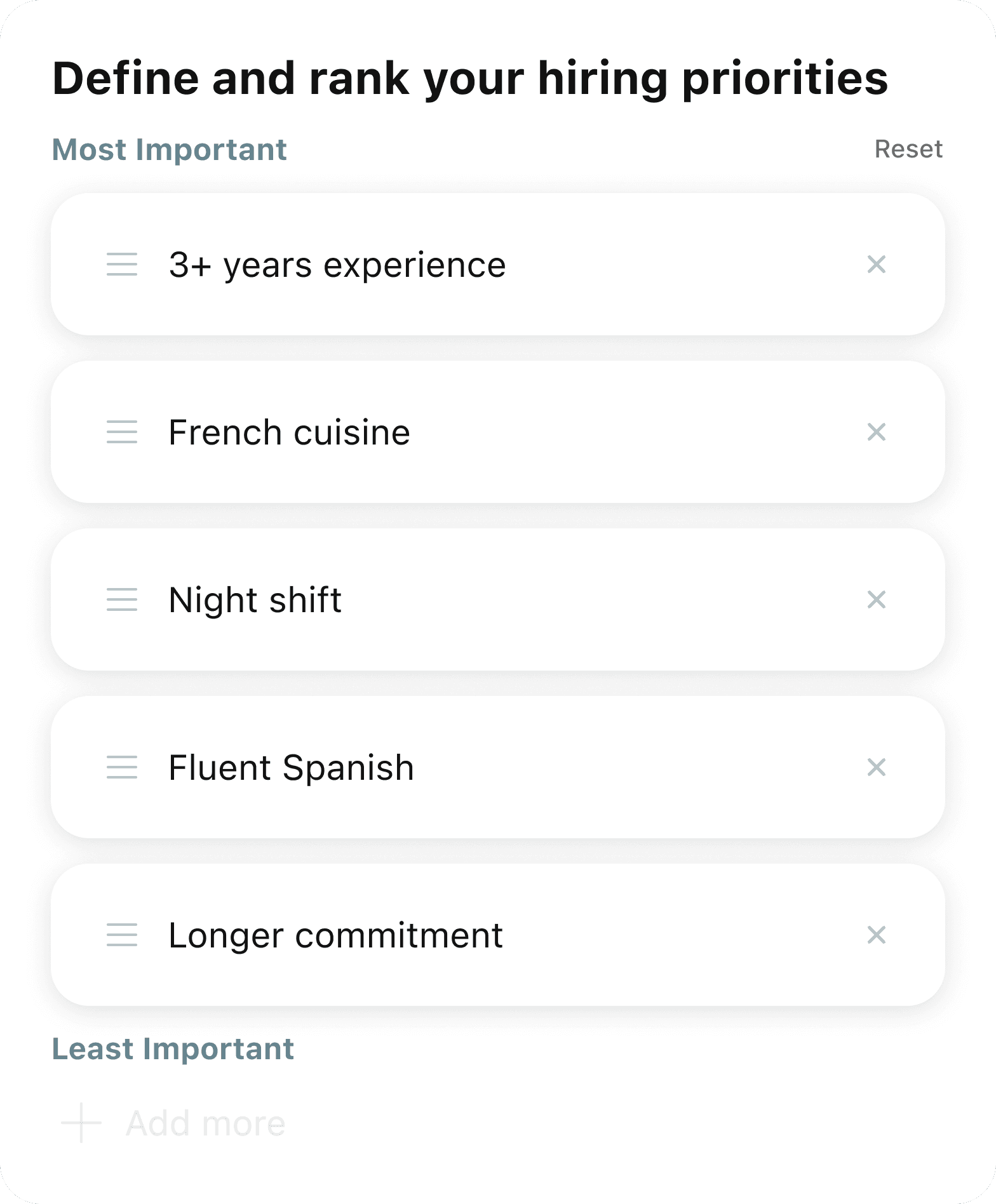
Final Model (V3)

System:
AI explains, adapts, and lets humans reshape the logic.

AI generates ranked recommendations, not decisions.

Humans always make the final call.

AI generates ranked recommendations, not decisions.

Humans always make the final call.

Interaction Model

Candidate Matching was designed around a core principle:
AI should assist hiring decisions without becoming a black box.

Trust was built through transparency, control, and clarity — not blind automation.

Candidate Matching was designed around a core principle:
AI should assist hiring decisions without becoming a black box.

Trust was built through transparency, control, and clarity — not blind automation.

AI Candidate Insights

System behavior

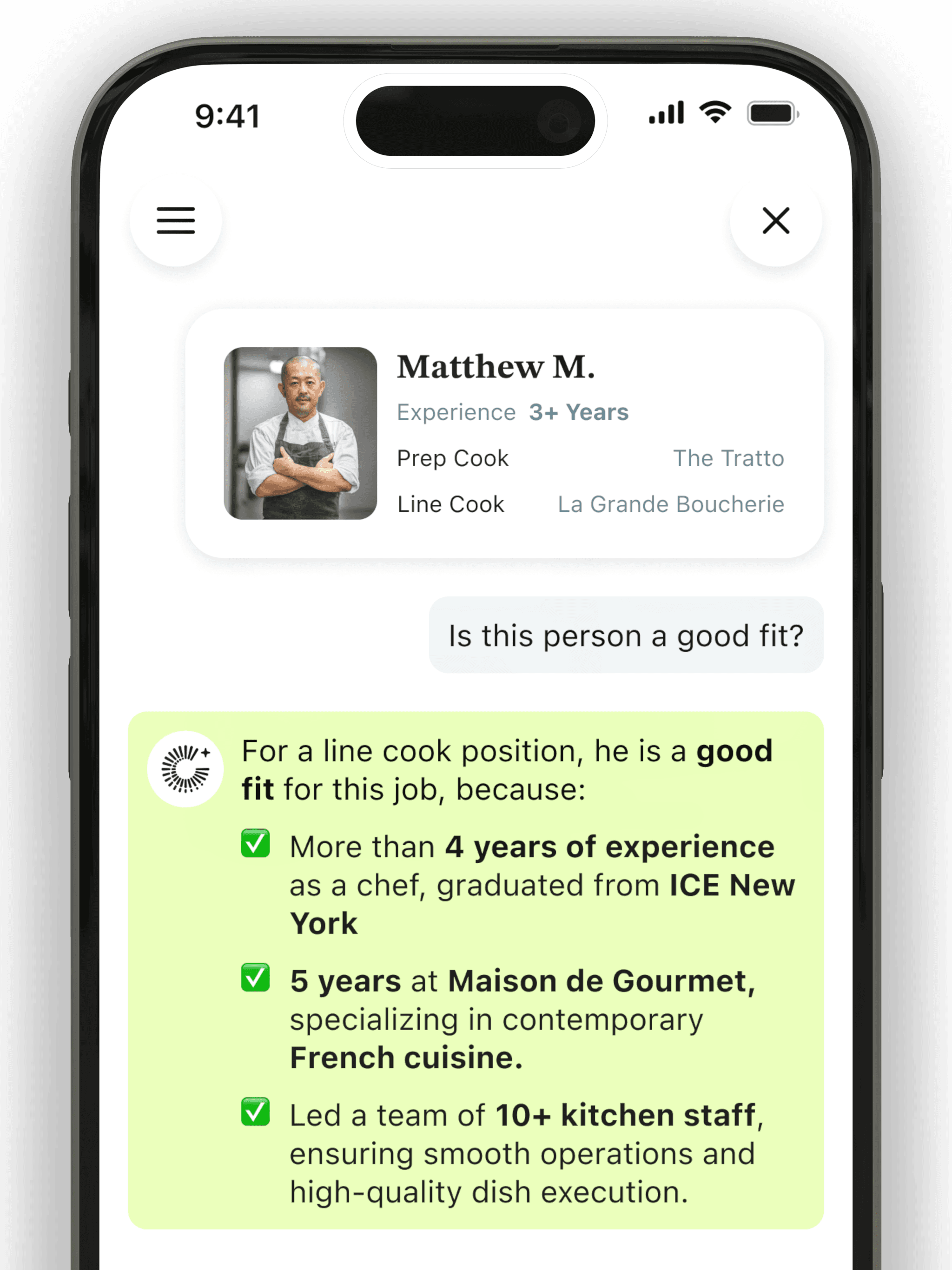
For each candidate, AI generates contextual insights explaining suitability for the role — highlighting relevant skills, experience, availability, and other role-specific criteria.

For each candidate, AI generates contextual insights explaining suitability for the role — highlighting relevant skills, experience, availability, and other role-specific criteria.

How it appears in the UI

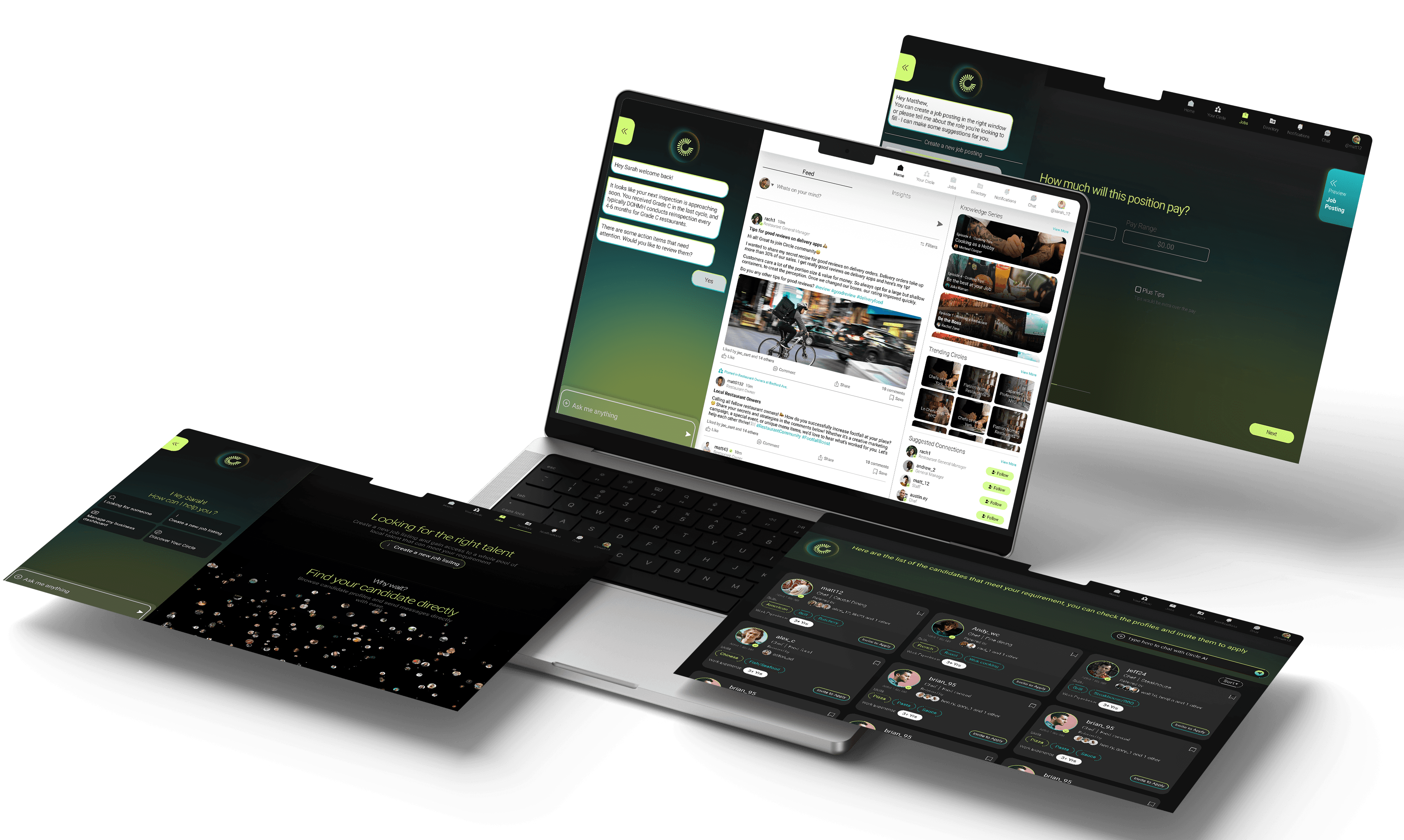
Recruiters can interact with an AI chat per candidate to ask follow-up questions and understand why someone is a strong fit. Explanations are concise, grounded in real signals, and easy to verify.

This reduces guesswork and builds confidence in shortlisting decisions.

Recruiters can interact with an AI chat per candidate to ask follow-up questions and understand why someone is a strong fit. Explanations are concise, grounded in real signals, and easy to verify.

This reduces guesswork and builds confidence in shortlisting decisions.

Conversational Search

System behavior

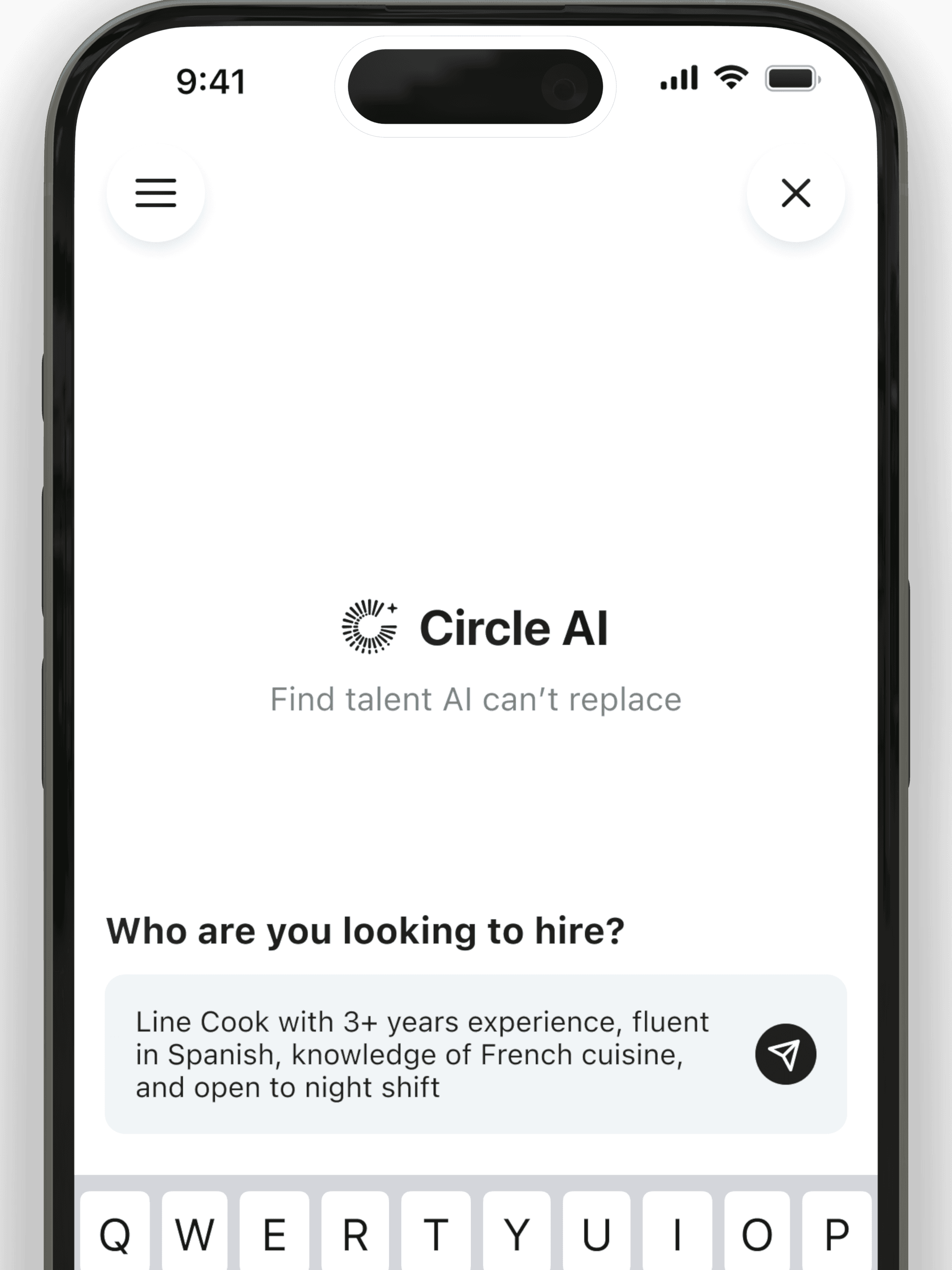
The system interprets natural language queries and refines results incrementally, adapting to recruiter intent instead of forcing complex filters upfront.

The system interprets natural language queries and refines results incrementally, adapting to recruiter intent instead of forcing complex filters upfront.

How it appears in the UI

Recruiters search through conversation — typing queries naturally and narrowing results step by step. This simplifies complex searches and makes finding relevant candidates faster and more intuitive.

Recruiters search through conversation — typing queries naturally and narrowing results step by step. This simplifies complex searches and makes finding relevant candidates faster and more intuitive.

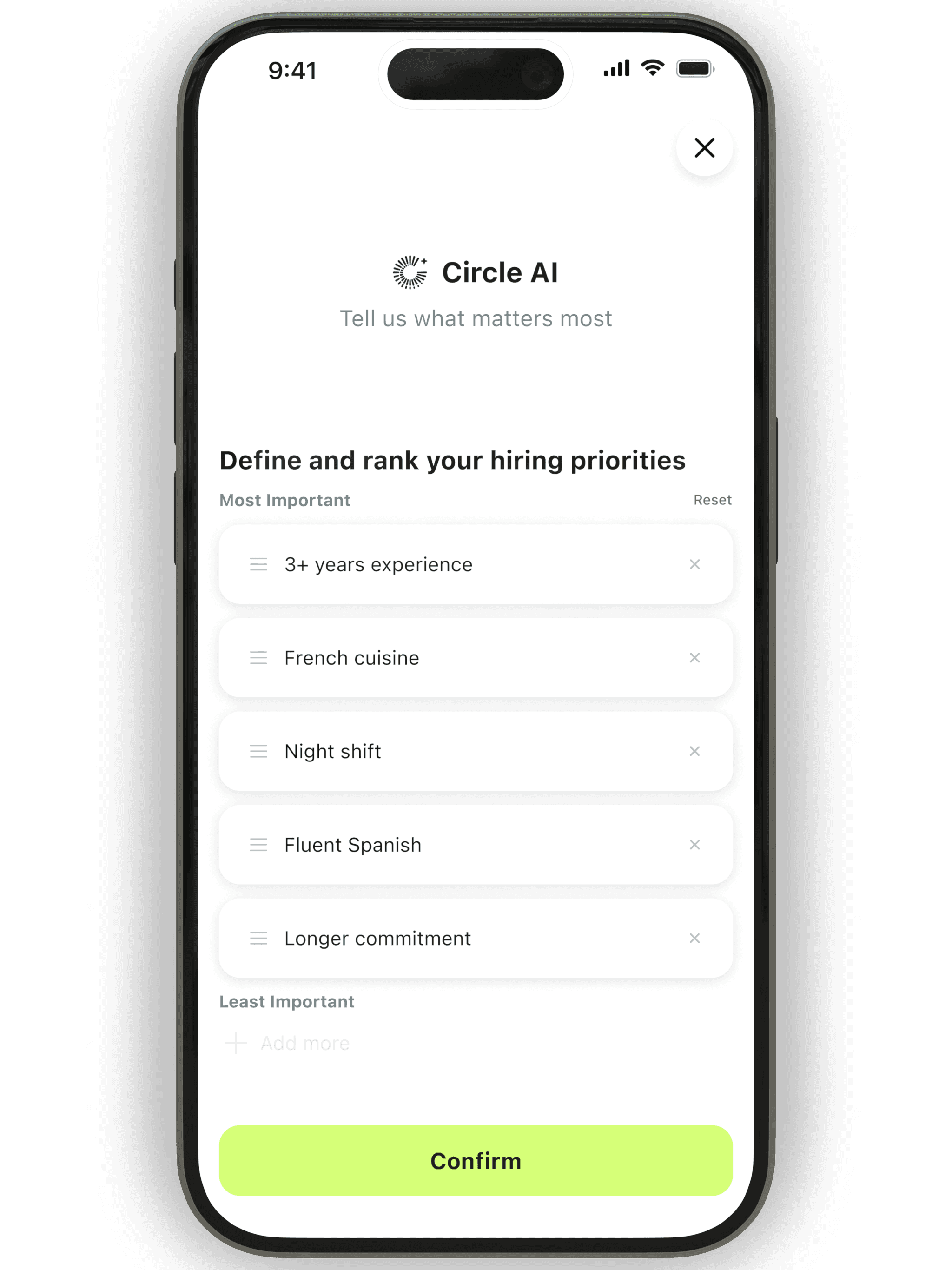
Customizable Ranking

System behavior

AI rankings are adjustable based on recruiter priorities such as experience, availability, certifications, or role-specific skills.

AI rankings are adjustable based on recruiter priorities such as experience, availability, certifications, or role-specific skills.

How it appears in the UI

Recruiters can tune ranking criteria directly, reshaping the shortlist in real time. AI adapts instantly, but never locks outcomes.

This ensures results align with business needs while maintaining transparency and control.

Recruiters can tune ranking criteria directly, reshaping the shortlist in real time. AI adapts instantly, but never locks outcomes.

This ensures results align with business needs while maintaining transparency and control.

Human-in-the-Loop by Design

Across all interactions:

  • AI explains recommendations

  • Confidence and uncertainty are visible

  • Recruiters can override decisions at any point

AI remains adaptive — but accountable. Humans always make the final call.

Across all interactions:

  • AI explains recommendations

  • Confidence and uncertainty are visible

  • Recruiters can override decisions at any point

AI remains adaptive — but accountable. Humans always make the final call.

Impact

Impact

Impact

Impact & Outcomes

Impact & Outcomes

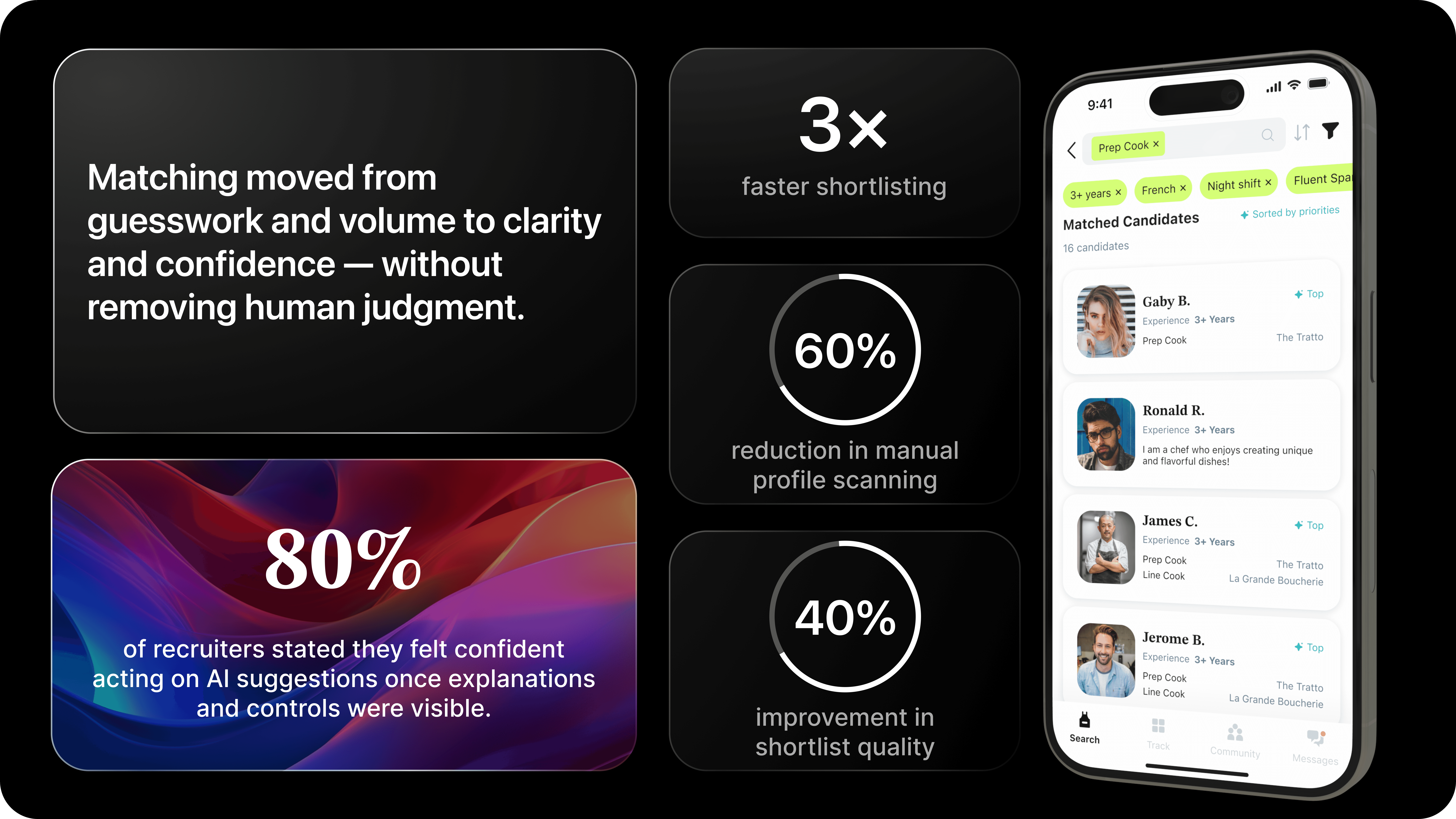
This system doesn’t just improve speed — it changes how recruiters trust and act on AI recommendations.
Design
Design

Design

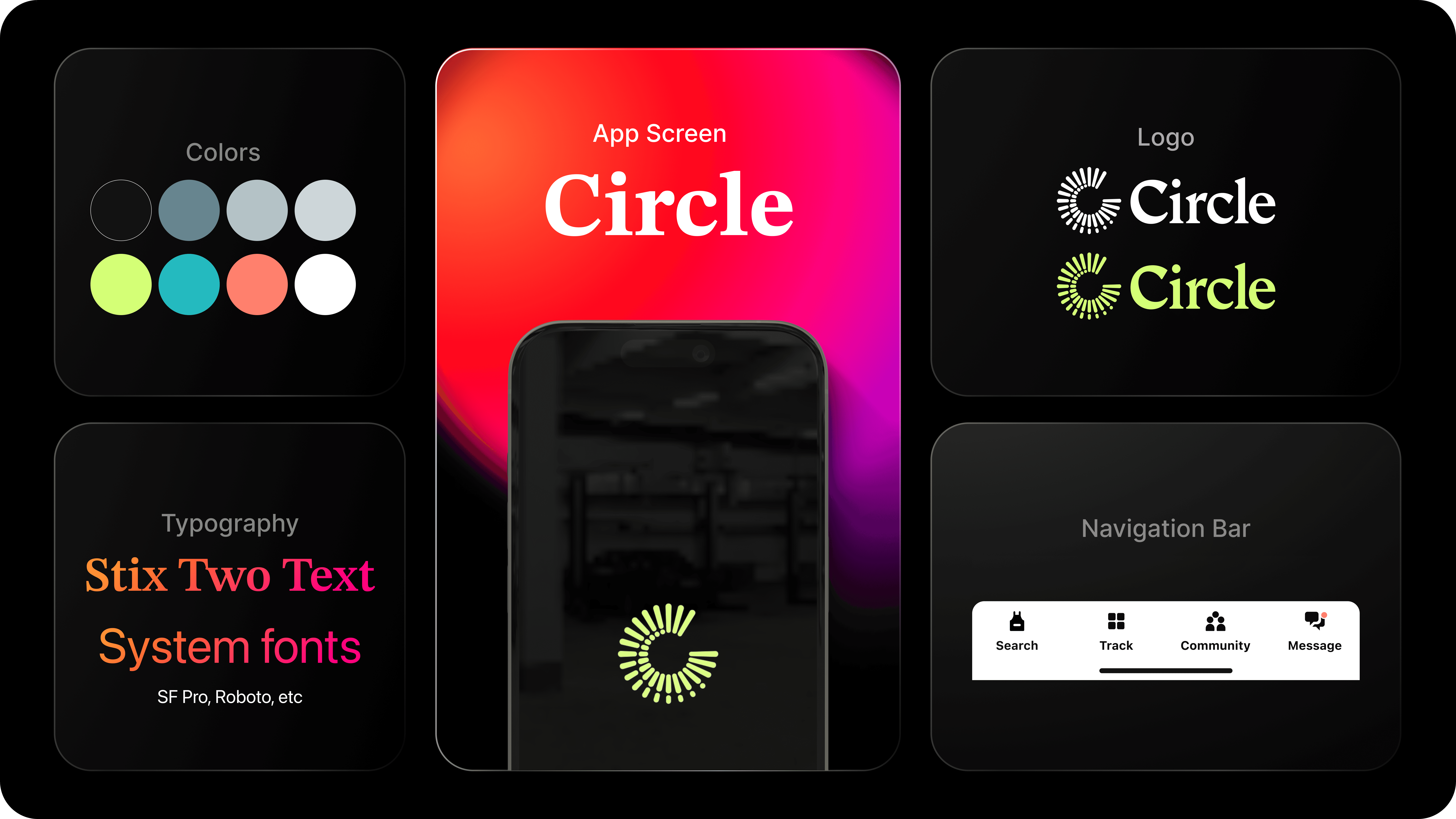
Design System & Brand Expression

Design System & Brand Expression

Alongside interaction design, I was responsible for shaping the visual language and component system to ensure consistency, clarity, and scalability.

Alongside interaction design, I was responsible for shaping the visual language and component system to ensure consistency, clarity, and scalability.

Alongside interaction design, I was responsible for shaping the visual language and component system to ensure consistency, clarity, and scalability.

View More

Metallic shape background image

My Role & Scope

My Role & Scope

Lead Product Designer (AI & Interaction)

Lead Product Designer

Lead Product Designer (AI & Interaction)

3 months

3 months

3 months

Circle Global

Circle Global

Circle Global

AI interaction design, experience flows, visual design

AI interaction design, experience flows, visual design

AI interaction design, experience flows, visual design

Contact

Contact

Contact

Let's Get in Touch

Interested in collaborating or learning more? Feel free to reach out.